
In today’s digital world, having a professional website is no longer optional—it’s a necessity. Whether you own a small startup, a local business, or a large enterprise, your website serves as the foundation of your online presence. Customers often visit a company’s website before making a purchase or contacting the business. If your website is slow, outdated, or difficult to navigate, potential customers may choose a competitor instead.
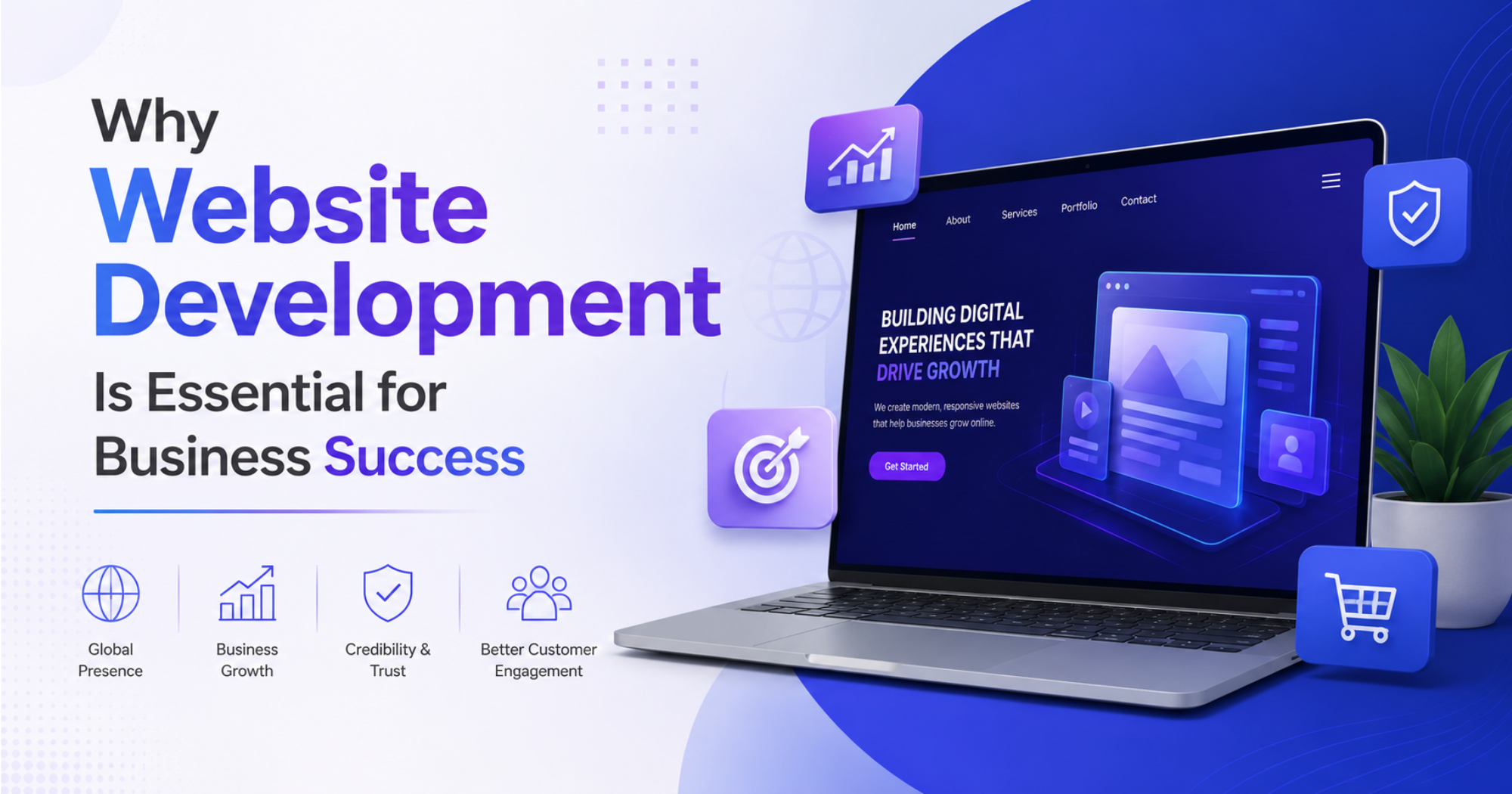
This is why website development plays a crucial role in business success. A well-developed website not only strengthens your brand but also helps generate leads, improve customer engagement, and increase sales. In this article, we’ll explore why website development is essential, its key benefits, best practices, and how investing in a professional website can drive long-term business growth.
What Is Website Development?
Website development is the process of designing, building, and maintaining websites that are functional, secure, responsive, and user-friendly. It involves both the front-end (what users see) and the back-end (server, database, and application logic) to create a seamless online experience.
Modern website development includes:
- Responsive web design
- Front-end development
- Back-end development
- Database management
- Content Management System (CMS) integration
- Search Engine Optimization (SEO)
- Website security
- Performance optimization
- API integration
- Ongoing maintenance and updates
A professionally developed website is built to support your business goals while delivering an excellent user experience.
Why Website Development Is Essential for Business Success
1. Builds a Strong Online Presence
Your website acts as your digital storefront, available to customers 24/7. It provides information about your products, services, company values, and contact details, making it easier for potential customers to learn about your business at any time.
A strong online presence also increases your credibility and helps customers trust your brand.
2. Creates a Positive First Impression
Studies show that users form an opinion about a website within seconds of visiting it. A modern, visually appealing, and easy-to-use website creates a positive first impression that encourages visitors to stay longer and explore your offerings.
Professional website development focuses on clean design, intuitive navigation, and fast performance to deliver the best user experience.
3. Improves Brand Credibility
A professionally designed website reflects the quality and reliability of your business. Customers are more likely to trust companies with a polished online presence than those with outdated or poorly designed websites.
Your website should consistently represent your brand through:
- Professional design
- High-quality images
- Consistent colors
- Clear messaging
- Easy navigation
Strong branding builds customer confidence and encourages repeat business.
4. Reaches More Customers
Unlike a physical store with limited operating hours, a website is accessible around the clock. Potential customers can discover your business through search engines, social media, or referrals, regardless of their location or time zone.
This broader reach allows you to attract local, national, and even international customers.
5. Supports Digital Marketing
Your website is the central hub for all digital marketing efforts. Whether you’re investing in SEO, social media marketing, email campaigns, or paid advertising, all traffic ultimately leads back to your website.
A well-developed website helps maximize the effectiveness of these marketing channels by providing visitors with a seamless experience and clear calls to action.
Key Benefits of Professional Website Development
Better User Experience (UX)
User experience is one of the most important factors in website success. Visitors should be able to find information quickly and complete desired actions with minimal effort.
Good UX includes:
- Easy navigation
- Fast loading pages
- Mobile-friendly layouts
- Clear calls to action
- Readable typography
- Accessible design
A positive user experience increases engagement and conversion rates.
Improved Search Engine Rankings
Search engines prioritize websites that are fast, secure, mobile-friendly, and well-structured. Professional website development incorporates SEO best practices from the beginning, making it easier for search engines to crawl and index your content.
Important SEO elements include:
- Optimized page titles
- Meta descriptions
- Clean URLs
- Proper heading structure
- Internal linking
- XML sitemap
- Structured data
- Image optimization
Higher rankings lead to increased organic traffic and more business opportunities.
Mobile Responsiveness
More than half of global web traffic comes from mobile devices. A responsive website automatically adjusts to different screen sizes, ensuring users enjoy the same experience on smartphones, tablets, and desktops.
Mobile-friendly websites improve user satisfaction and are favored by search engines.
Faster Website Performance
Website speed directly impacts user experience and conversions. Slow-loading websites frustrate users and often result in higher bounce rates.
Professional developers improve performance by:
- Compressing images
- Optimizing code
- Using browser caching
- Minimizing HTTP requests
- Implementing Content Delivery Networks (CDNs)
A fast website keeps visitors engaged and supports better search rankings.
Enhanced Security
Cybersecurity is a growing concern for businesses of all sizes. Professional website development includes essential security measures such as:
- SSL certificates
- HTTPS encryption
- Secure login systems
- Firewall protection
- Regular software updates
- Malware scanning
- Data backups
A secure website protects sensitive customer information and builds trust.
Best Practices for Website Development
Creating a successful website requires following proven development strategies.
Understand Your Target Audience
Before building a website, identify your ideal customers and understand their needs. Design your website with their preferences, behaviors, and goals in mind.
Focus on Responsive Design
Ensure your website performs well across all screen sizes and devices. Responsive design improves accessibility and user satisfaction.
Optimize for Speed
Fast-loading websites improve both user experience and SEO. Regularly test your website’s performance and optimize images, scripts, and hosting.
Create High-Quality Content
Content remains one of the most important ranking factors. Publish informative, original, and valuable content that answers users’ questions and solves their problems.
Include:
- Blog articles
- Service pages
- FAQs
- Case studies
- Customer testimonials
Fresh content keeps your website relevant and encourages repeat visits.
Follow SEO Best Practices
To improve visibility in search engines:
- Use relevant keywords naturally.
- Write compelling meta titles and descriptions.
- Optimize images with descriptive alt text.
- Build internal links between related pages.
- Create SEO-friendly URLs.
- Add schema markup where appropriate.
- Keep content updated regularly.
Consistent SEO efforts lead to long-term organic growth.
Use Clear Calls to Action (CTAs)
Guide visitors toward meaningful actions such as:
- Contacting your business
- Requesting a quote
- Booking a consultation
- Signing up for a newsletter
- Purchasing a product
Effective CTAs improve conversion rates and help achieve business goals.
Common Website Development Technologies
Modern websites are built using reliable technologies that ensure performance and scalability.
Front-End Technologies
- HTML5
- CSS3
- JavaScript
- React
- Vue.js
- Bootstrap
- Tailwind CSS
Back-End Technologies
- PHP
- Laravel
- Node.js
- Python
- Django
- ASP.NET
- Ruby on Rails
Content Management Systems (CMS)
- WordPress
- Drupal
- Joomla
- Shopify (for eCommerce)
- Magento
Choosing the right technology depends on your business requirements, budget, and future growth plans.
Common Mistakes to Avoid
Many businesses reduce the effectiveness of their websites by making avoidable mistakes, such as:
- Ignoring mobile optimization
- Slow page loading speeds
- Poor navigation
- Weak security measures
- Outdated content
- Missing SEO optimization
- Broken links
- Confusing page layouts
- Lack of contact information
- No clear calls to action
Avoiding these issues helps create a better experience for both users and search engines.
Future Trends in Website Development
Website development continues to evolve with new technologies and user expectations. Businesses that stay ahead of these trends can offer better experiences and remain competitive.
Key trends include:
- Artificial Intelligence (AI) chatbots
- Progressive Web Apps (PWAs)
- Voice search optimization
- Headless CMS architecture
- Motion UI and interactive animations
- Dark mode support
- Advanced website security
- Personalized user experiences
- Cloud-based hosting solutions
- Green web development for improved efficiency
Adopting relevant innovations can enhance functionality, performance, and customer satisfaction.
Conclusion
Website development is one of the most valuable investments a business can make in the digital age. A professionally developed website strengthens your online presence, builds credibility, improves customer engagement, and supports long-term business growth.
By focusing on responsive design, fast performance, strong security, high-quality content, and SEO best practices, businesses can create websites that not only attract visitors but also convert them into loyal customers. As technology continues to evolve, maintaining and improving your website is essential for staying competitive and meeting changing customer expectations.
Whether you’re launching a new business or upgrading an existing website, investing in professional website development lays the foundation for sustainable success. A fast, secure, and user-friendly website helps your business reach more customers, improve search engine visibility, and create meaningful connections that drive growth for years to come.