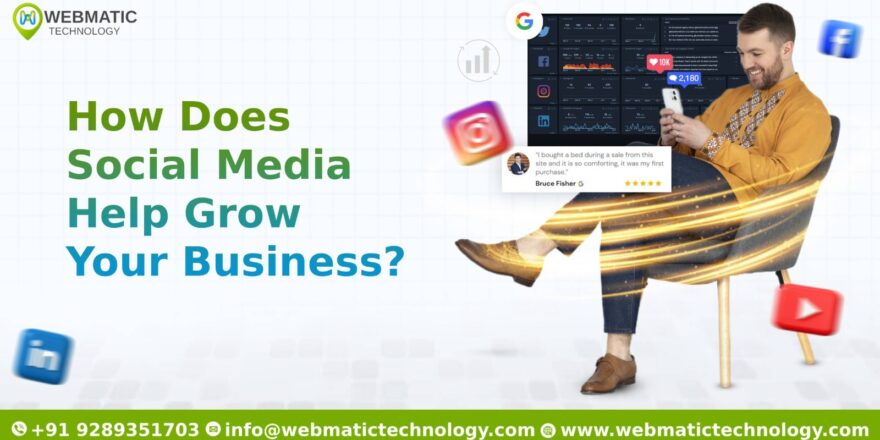

In today’s digital landscape, social media has become one of the most powerful tools for businesses to connect with their audience, build trust, and grow their brand. With billions of active users across platforms like Facebook, Instagram, LinkedIn, X (formerly Twitter), TikTok, and Pinterest, businesses have an incredible opportunity to increase their visibility and reach potential customers worldwide.
However, simply creating social media accounts is not enough. Consistent planning, engaging content, audience interaction, and performance tracking are essential for achieving meaningful results. This is where social media management plays a crucial role. Effective social media management helps businesses establish a strong online presence, increase brand awareness, build customer relationships, and drive long-term business growth.
In this guide, we’ll explore how social media management increases brand awareness, its key benefits, proven strategies, and best practices to help your business stand out in today’s competitive digital marketplace.
What Is Social Media Management?
Social media management is the process of planning, creating, publishing, monitoring, and analyzing content across social media platforms. It also involves engaging with followers, managing online communities, running advertising campaigns, and measuring performance to achieve business goals.
Professional social media management includes:
- Content planning
- Content creation
- Post scheduling
- Audience engagement
- Community management
- Social media advertising
- Analytics and reporting
- Brand reputation management
- Trend monitoring
- Performance optimization
A well-managed social media strategy helps businesses maintain consistency and strengthen their online identity.
Why Brand Awareness Matters
Brand awareness refers to how familiar people are with your business, products, or services. The more people recognize and remember your brand, the more likely they are to choose your business when making a purchasing decision.
High brand awareness provides several advantages:
- Builds customer trust
- Improves brand recognition
- Increases website traffic
- Generates quality leads
- Encourages customer loyalty
- Supports higher sales
- Strengthens market position
Social media has become one of the fastest and most cost-effective ways to increase brand awareness.
How Social Media Management Helps Increase Brand Awareness
1. Builds a Consistent Brand Identity
Consistency is one of the most important elements of successful branding. Social media management ensures that your business maintains the same voice, messaging, logo, colors, and visual style across every platform.
A consistent brand identity makes your business more recognizable and helps customers remember your company over time.
2. Expands Your Audience Reach
Every social media platform offers opportunities to reach new audiences through organic content, hashtags, shares, collaborations, and paid advertising.
Professional social media managers create content designed to maximize visibility and encourage users to interact and share your posts.
As your content reaches more people, your brand awareness naturally increases.
3. Encourages Customer Engagement
Social media isn’t just about posting content—it’s about building relationships.
Businesses that actively respond to comments, messages, and reviews create stronger connections with their audience.
Engagement activities include:
- Answering customer questions
- Responding to comments
- Participating in discussions
- Hosting live sessions
- Running polls
- Creating interactive stories
Higher engagement signals authenticity and improves brand visibility on many social media platforms.
4. Shares Valuable Content
Successful brands don’t constantly promote products—they provide value.
High-quality content helps educate, entertain, and inspire your audience while positioning your business as an industry expert.
Examples include:
- Blog articles
- Educational videos
- Infographics
- Industry tips
- Customer success stories
- Product tutorials
- Behind-the-scenes content
Valuable content encourages users to share your posts, increasing your brand’s reach.
5. Increases Website Traffic
Every social media profile can direct users to your website.
Sharing blog posts, landing pages, product pages, and service pages helps drive targeted traffic from social media to your website.
More website visitors create additional opportunities for lead generation and sales.
6. Builds Customer Trust
Customers prefer buying from brands they recognize and trust.
Regular posting, transparent communication, customer testimonials, and positive interactions help establish credibility.
Businesses that consistently provide helpful information often become trusted authorities within their industry.
7. Supports Search Engine Optimization (SEO)
While social media is not a direct Google ranking factor, it contributes to SEO by:
- Driving referral traffic
- Increasing brand searches
- Promoting content
- Earning backlinks through content sharing
- Improving online visibility
A strong social media presence complements your overall digital marketing strategy and helps expand your reach.
Benefits of Professional Social Media Management
Hiring professionals or using a structured management process offers several advantages.
Better Content Strategy
Professional social media managers develop content calendars aligned with your business goals, ensuring consistent posting and strategic messaging.
Time Savings
Managing multiple platforms requires significant time and effort.
Professional management allows business owners to focus on operations while experts handle content creation, scheduling, engagement, and analytics.
Higher Engagement Rates
Experienced social media managers understand platform algorithms, audience behavior, and content trends.
This knowledge helps improve likes, comments, shares, and overall engagement.
Data-Driven Decisions
Analytics reveal what content performs best.
Important metrics include:
- Reach
- Impressions
- Engagement rate
- Click-through rate
- Follower growth
- Website traffic
- Conversion rate
Regular analysis helps improve future campaigns.
Better Brand Reputation
Professional monitoring ensures customer questions, reviews, and complaints receive timely responses.
Effective reputation management builds trust and improves customer satisfaction.
Best Social Media Management Strategies
Understand Your Audience
Identify:
- Target demographics
- Interests
- Online behavior
- Preferred platforms
- Content preferences
Understanding your audience improves content relevance.
Create High-Quality Content
Focus on content that provides value rather than constant sales promotions.
Effective content includes:
- Educational posts
- Industry news
- Video content
- Customer stories
- Infographics
- Product demonstrations
- FAQs
Quality content encourages engagement and sharing.
Post Consistently
Consistency keeps your brand visible.
Create a content calendar and maintain a regular posting schedule across all platforms.
Regular posting improves audience engagement and algorithm performance.
Use Video Marketing
Video content often generates higher engagement than static images.
Popular formats include:
- Short-form videos
- Tutorials
- Product demonstrations
- Live streams
- Customer interviews
- Behind-the-scenes videos
Video helps humanize your brand.
Optimize Your Profiles
Complete every profile with:
- Professional logo
- Brand description
- Contact information
- Website link
- Relevant keywords
Optimized profiles improve discoverability.
Use Hashtags Strategically
Relevant hashtags help users discover your content.
Avoid excessive hashtags and focus on those related to your industry and target audience.
Monitor Analytics
Track performance regularly and identify:
- Top-performing posts
- Audience growth
- Best posting times
- Engagement trends
- Traffic sources
Use insights to refine your strategy.
Common Social Media Management Mistakes
Avoid these common errors:
- Posting inconsistently
- Ignoring audience comments
- Publishing low-quality content
- Over-promoting products
- Buying fake followers
- Ignoring analytics
- Using irrelevant hashtags
- Inconsistent branding
- Posting without a strategy
- Failing to adapt to platform changes
Avoiding these mistakes helps build a stronger online presence.
Essential Social Media Platforms for Business
Different platforms serve different audiences.
Ideal for community building, local businesses, and paid advertising.
Excellent for visual storytelling, product promotion, and lifestyle brands.
Best for B2B marketing, professional networking, and thought leadership.
X (Formerly Twitter)
Useful for industry updates, customer support, and real-time engagement.
TikTok
Great for creative short-form videos and reaching younger audiences.
Effective for fashion, home décor, food, DIY, and eCommerce businesses.
Choose platforms that align with your target audience rather than trying to be active everywhere.
Future Trends in Social Media Management
Businesses should stay updated with emerging trends such as:
- Artificial Intelligence (AI) content assistance
- Social commerce
- Influencer partnerships
- Short-form video marketing
- Personalized content
- Community-driven engagement
- User-generated content (UGC)
- Voice search integration
- Interactive content
- Advanced analytics and automation
Adopting these trends can help brands remain competitive and improve audience engagement.
Conclusion
Social media management has become an essential part of building brand awareness and achieving long-term business success. By consistently publishing valuable content, engaging with audiences, maintaining a strong brand identity, and using data-driven strategies, businesses can significantly expand their online visibility and establish lasting relationships with customers.
Whether you’re a startup, small business, or large enterprise, investing in professional social media management can help you increase brand recognition, drive website traffic, generate qualified leads, and improve customer loyalty. Combined with a well-designed website and a strong SEO strategy, social media becomes a powerful channel for sustainable growth.
As digital platforms continue to evolve, businesses that stay active, authentic, and customer-focused on social media will be better positioned to stand out, earn trust, and achieve lasting success in an increasingly competitive online marketplace.